Category: Uncategorized

  • Understanding Ulcerative Colitis and Medications for Treatment

    Understanding Ulcerative Colitis and Medications for Treatment

    Ulcerative colitis is a chronic inflammatory bowel disease that affects the colon and rectum. Managing this condition involves a personalized approach based on various factors, including the extent and severity of the disease. In cases where the inflammation is limited to the rectum and patients experience increased bowel frequency, urgency, and active bleeding, treatment options may include mesalazine suppositories. This blog will explore the use of mesalazine suppositories in managing active proctitis, the differences between foam and liquid suppositories, and why patient preference matters.

    Understanding Ulcerative Colitis:

    Ulcerative colitis is characterized by inflammation and ulceration of the inner lining of the colon and rectum. Common symptoms include abdominal pain, diarrhea, bloody stools, and urgency to defecate. The severity of the disease can vary from mild to severe and may involve different parts of the colon.

     Treating Active Proctitis:

    When ulcerative colitis primarily affects the rectum and presents with symptoms like frequent bowel movements (more than five times a day) and active bleeding, prompt treatment is essential to alleviate discomfort and prevent complications. Mesalazine suppositories are often a go-to option in these cases.

    Mesalazine Suppositories: A Closer Look

    Mesalazine, also known as 5-aminosalicylic acid (5-ASA), is an anti-inflammatory medication commonly used to manage ulcerative colitis. When administered as suppositories, mesalazine can directly target inflammation in the rectum.

     Foam vs. Liquid Suppositories:

    Patients and healthcare providers may face a choice between foam and liquid mesalazine suppositories. The decision often comes down to patient preference and tolerance.

     Foam Suppositories

    – Foam suppositories are preferred by some patients due to their ease of use and improved compliance.
    – They tend to stay in place and provide targeted relief to the affected area.
    – Foam suppositories are less likely to cause irritation or discomfort compared to liquid ones.

    Liquid Suppositories

    – Liquid suppositories may be an option for patients who prefer this form or tolerate it better.
    – They can also effectively deliver mesalazine to the inflamed rectum.
    – However, some patients may experience quicker expulsion of liquid suppositories, which can be less effective.

    Patient-Centered Care

    In the management of active proctitis in ulcerative colitis, patient preference plays a significant role. It’s crucial for healthcare providers to discuss the options with their patients and consider their comfort and compliance when selecting between foam and liquid mesalazine suppositories.

    In conclusion, treating ulcerative colitis is a personalized journey, and mesalazine suppositories are valuable tools in managing active proctitis. Whether patients opt for foam or liquid forms, the goal is to provide relief, reduce inflammation, and improve their quality of life. Always consult with a healthcare professional to determine the most suitable treatment plan for individual cases of ulcerative colitis.

  • Dealing with Perianal Fistulas: What You Should Know

    Dealing with Perianal Fistulas: What You Should Know

    Perianal fistulas can indeed be distressing for patients, and it’s important to understand their various causes and types. Here’s some additional information:

    1. Common Causes:
      – Benign or idiopathic causes can lead to perianal fistulas, often without a clear underlying reason.
      – Constipation with straining can result in the development of these fistulas due to increased pressure on the perianal area.
    2. Association with Inflammatory Bowel Disease (IBD):
      – Perianal fistulas are commonly associated with IBD, particularly Crohn’s disease. The inflammation in the digestive tract can extend to the perianal region, leading to fistula formation.
    3. Types of Fistulas:
      – Simple Fistulas: These fistulas typically have a single tract and may connect one area to another within the perianal region.

              – Complex Fistulas: Complex fistulas can be more challenging to manage. They may have multiple tracts, branch out into different directions, or involve deeper tissues.

    Managing perianal fistulas often requires a combination of medical and surgical approaches, depending on the severity and complexity of the condition. Treatment aims to control symptoms, prevent recurrence, and improve the patient’s quality of life. Regular follow-up with a gastroenterologist or colorectal surgeon is crucial for effective management.

  • Understanding Fatty Liver, Family History, and the Risk of Liver Cirrhosis

    Understanding Fatty Liver, Family History, and the Risk of Liver Cirrhosis

    Fatty liver disease, often overlooked and underestimated, has become increasingly prevalent in our modern society. It is strongly associated with rising body mass index (BMI) and metabolic syndromes like diabetes, hypercholesterolemia, and hypertension. Moreover, it is not just a concern for obese individuals; it can affect anyone, including those with a family history of liver cirrhosis stemming from non-alcoholic fatty liver disease (NAFLD). In this blog, we will explore the intricacies of fatty liver disease, its connection to family history, and why it’s crucial to take it seriously.

    The Rise of Fatty Liver Disease

    The liver, one of the body’s most vital organs, plays a central role in metabolism and detoxification. Fatty liver disease occurs when fat accumulates in the liver cells, which should ideally have minimal fat content. The two primary types of fatty liver disease are alcoholic fatty liver disease (AFLD) and non-alcoholic fatty liver disease (NAFLD). While AFLD is linked to excessive alcohol consumption, NAFLD is a consequence of factors unrelated to alcohol intake.


    Factors Contributing to NAFLD

    1. BMI and Obesity: The increasing prevalence of obesity is a major contributor to NAFLD. Excess body fat can lead to the accumulation of fat in the liver.
    2. Metabolic Syndrome: Conditions like diabetes, hypercholesterolemia (high cholesterol levels), and hypertension (high blood pressure) often occur together, forming what is known as metabolic syndrome. These conditions are closely tied to NAFLD.
    3. Polycystic Ovarian Syndrome (PCOS):In women, PCOS can lead to hormonal imbalances and insulin resistance, both of which are risk factors for NAFLD.

    The Family Connection

    One alarming aspect of NAFLD is its potential to run in families, increasing the risk of liver cirrhosis. If you have a family history of liver cirrhosis, it’s essential to be vigilant about your liver health.

    Understanding Liver Cirrhosis

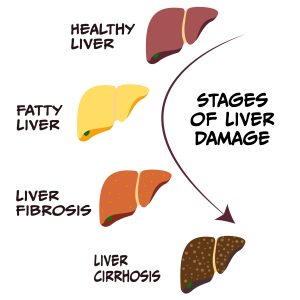
    Liver cirrhosis is the advanced scarring of the liver tissue, a condition that can result from untreated or poorly managed NAFLD. Over time, the inflammation caused by fat accumulation can lead to fibrosis, a hardening of liver tissue. This fibrosis can progress to cirrhosis, which is characterized by severe liver damage and impaired function.

    Why It Matters

    Ignoring fatty liver disease is a dangerous gamble. The risks associated with an untreated fatty liver extend beyond the liver itself. Here are some compelling reasons to take it seriously:

    1. Risk of Liver Cirrhosis:As mentioned, untreated NAFLD can lead to liver cirrhosis, a condition that may necessitate a liver transplant.
    2. Cardiovascular Implications: Fatty liver disease is closely linked to cardiovascular risks such as heart disease and stroke.
    3. Metabolic Consequences: NAFLD is intertwined with metabolic disorders like diabetes and high cholesterol, making its management crucial for overall health.

    Taking Action

    If you suspect you have fatty liver disease or have a family history of liver cirrhosis, don’t delay seeking medical advice. Here are steps you can take:

    1. Consult a Healthcare Provider: A medical evaluation can determine the extent of liver damage and guide treatment.
    2. Lifestyle Changes: Implement a healthy diet and exercise regimen to manage your weight and reduce the strain on your liver.
    3. Medication and Monitoring: Your healthcare provider may recommend medications to manage underlying conditions like diabetes or high cholesterol. Regular monitoring is essential.

    Conclusion

    Fatty liver disease is a pervasive and often underestimated health issue. With its ties to obesity, metabolic syndrome, and family history of liver cirrhosis, it deserves our attention. By understanding the risks and taking proactive steps, we can protect our liver health and overall well-being. Don’t let fatty liver disease go unnoticed; take action today for a healthier tomorrow.

  • Understanding Gilbert Syndrome: A Common Hereditary Condition in India

    Understanding Gilbert Syndrome: A Common Hereditary Condition in India


    Gilbert Syndrome is a relatively common hereditary condition in India that affects the way bilirubin, a yellow pigment found in bile, is processed in the liver. While it can be concerning when first diagnosed, it’s essential to understand that Gilbert Syndrome is generally a benign condition and not a cause for significant alarm. In this blog post, we’ll explore Gilbert Syndrome, its causes, symptoms, triggers, and provide reassurance to those diagnosed with this condition.

    What is Gilbert Syndrome?
    Gilbert Syndrome, also known as familial nonhemolytic jaundice, is a genetic condition that affects the liver’s ability to process bilirubin effectively. Bilirubin is produced when red blood cells break down, and it’s normally excreted by the liver. In individuals with Gilbert Syndrome, there is a mild deficiency of an enzyme called UDP-glucuronyltransferase (UGT1A1), which is responsible for conjugating bilirubin, making it water-soluble for elimination from the body.As a result of this deficiency, people with Gilbert Syndrome can experience elevated levels of unconjugated bilirubin in their blood, which can lead to mild jaundice (yellowing of the skin and eyes) when bilirubin levels fluctuate.
    Common Features of Gilbert Syndrome
      1. Fluctuating Bilirubin Levels: One of the hallmarks of Gilbert Syndrome is the fluctuation of bilirubin levels in the blood. These fluctuations can be triggered by various factors, including exercise, stress, illness, fasting, and dehydration.
      2. Jaundice: Mild jaundice is a common symptom of Gilbert Syndrome, typically characterized by a yellowish tint to the skin and eyes. Jaundice often occurs during episodes of elevated bilirubin levels.
      3. Asymptomatic: Many individuals with Gilbert Syndrome may not experience noticeable symptoms and may only discover the condition when routine blood tests reveal elevated bilirubin levels.
      4.  Normal Liver Function: Gilbert Syndrome does not impair the overall function of the liver, and affected individuals typically have normal liver enzyme levels and liver function.
      5. Benign and Lifelong: Gilbert Syndrome is a lifelong condition, but it is benign and does not progress to more severe liver disorders.

    Triggers for Bilirubin Fluctuations
    Understanding what triggers bilirubin fluctuations is essential for managing Gilbert Syndrome. Some common triggers include:
    1. Physical Activity: Vigorous exercise can lead to elevated bilirubin levels, resulting in jaundice.
    2. Stress: Emotional or physical stress can impact bilirubin metabolism and cause temporary jaundice.
    3. Illness: Infections, particularly viral illnesses, can trigger bilirubin fluctuations
    4.  Fasting or Dehydration: Skipping meals or not staying adequately hydrated can lead to increased bilirubin levels.
    5.  Medications: Some medications, such as certain antibiotics, may affect bilirubin metabolism.

    Patient Information Leaflet for Gilbert Syndrome
    [Note: This leaflet is intended for informational purposes and should be used alongside personalized advice from a healthcare professional.]
    Dear Patient,
    We understand that being diagnosed with Gilbert Syndrome can be concerning, but we want to reassure you that this is a manageable and typically benign condition. This information leaflet aims to provide you with a better understanding of Gilbert Syndrome, its triggers, and why there’s no need for undue worry.
    What is Gilbert Syndrome?
    Gilbert Syndrome is a hereditary condition that affects the processing of bilirubin in your liver. It may lead to mild jaundice when bilirubin levels fluctuate.
    Key Points:
    – Gilbert Syndrome is generally a lifelong, benign condition.
    – You may experience jaundice during bilirubin level fluctuations.
    – It does not affect your overall liver function.
    – The condition is hereditary, and you may have a family history of it.
    Managing Gilbert Syndrome:
    While Gilbert Syndrome doesn’t require extensive medical intervention, there are ways to manage it:
    1.  Stay Hydrated: Drink enough water, especially during exercise or illness, to help prevent bilirubin level spikes.
    2. Healthy Lifestyle: Maintain a balanced diet and avoid excessive fasting.
    3. Stress Management: Learn stress-reduction techniques to minimize stress-induced fluctuations.
    4. Medication Awareness: Inform healthcare professionals about your condition before taking new medications.
    5. Regular Check-Ups: Schedule periodic check-ups to monitor your bilirubin levels.
    Conclusion:
    Remember that Gilbert Syndrome is not a life-threatening
  • Managing Colitis During Pregnancy: What You Need to Know

    Managing Colitis During Pregnancy: What You Need to Know

    – Briefly introduce the topic and its relevance to expecting mothers.
    – Mention that pregnancy can affect inflammatory bowel disease (IBD) conditions like ulcerative colitis and Crohn’s disease.

    Ulcerative Colitis and Pregnancy:
    – Explain the potential risks of flare-ups during pregnancy for women with ulcerative colitis.
    – Discuss the impact of hormonal changes and immune system adaptations during pregnancy on the disease.
    – Mention that many women experience remission during pregnancy, especially in the second and third trimesters.

    Crohn’s Disease and Pregnancy:
    – Describe how pregnancy can affect Crohn’s disease and its potential for flare-ups.
    – Explain that Crohn’s patients may experience variable responses during pregnancy.
    – Discuss how medications may need to be adjusted to manage the disease safely.

    Managing Colitis During Pregnancy:
    – Emphasize the importance of working closely with healthcare providers, including gastroenterologists and obstetricians, to create a personalized care plan.
    – Discuss the significance of maintaining regular check-ups and monitoring during pregnancy.
    – Highlight lifestyle factors such as diet, stress management, and rest that can help manage symptoms.

    Medications and Pregnancy:
    – Explain the risks and benefits of IBD medications during pregnancy.
    – Mention that some medications may need to be adjusted, switched, or temporarily stopped under medical supervision.
    – Stress the importance of discussing medication options with healthcare providers.

    Delivery Options:
    – Describe the different delivery options available to women with colitis, including vaginal delivery and Cesarean section.
    – Explain that the choice may depend on the individual’s condition and any potential complications.

    Postpartum Considerations:
    – Discuss how colitis management may change after childbirth.
    – Highlight that some women experience flares after giving birth, while others continue to experience remission.

    Conclusion:
    – Summarize key takeaways, emphasizing that pregnancy with colitis is manageable with proper care and support.
    – Encourage readers to maintain open communication with their healthcare team for the best outcomes.
    – Offer resources and support groups for pregnant women with colitis to connect with others who have similar experiences.